


By: David Sparks
Dynamic Parking Pricing: How Smarter Rates Are Revolutionizing Parking Management
Traditional parking operations have long struggled with inefficiencies, congestion, and inconsistent revenue performance. That’s where modern revenue management (or yield management) comes in. A flexible pricing strategy that utilizes data to maximize revenue, revenue management’s strategic framework is made up of three components: demand forecasting, dynamic parking pricing, and parking inventory allocation. Within this broader strategy, dynamic parking pricing plays a crucial role and is the focus of this article. It’s the mechanism that enables prices to adapt automatically in real time based on demand, occupancy, time of day, seasonality, or local events.
With a modern parking management system and innovative parking solutions, car parks operators can finally manage spaces more efficiently using parking dynamic pricing while improving the driver experience. The result? Better traffic flow and occupancy, higher profitability, and smarter, more sustainable operational efficiency.
What Is Dynamic Parking Pricing?
At its core, dynamic parking pricing means adjusting parking rates automatically based on current conditions:
-
- Parking Demand
- Available inventory
- Historical and real-time data collection
- Time of day
- Seasonality or special events
- Occupancy levels
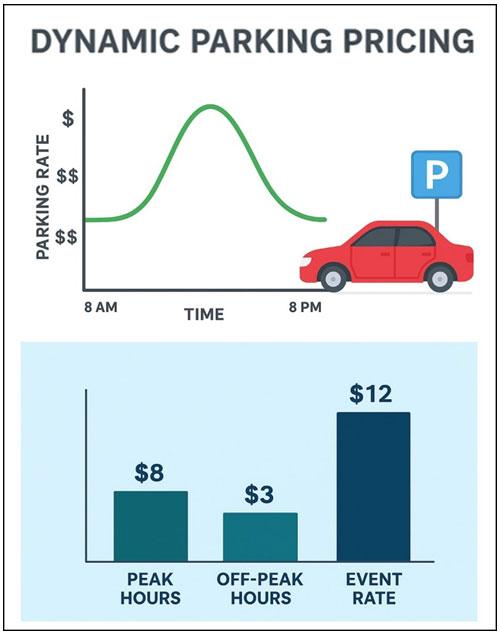
Instead of relying on flat rates, prices fluctuate dynamically to encourage turnover in busy periods and promote usage at times of lower-demand.
Think of it like airline ticket pricing or hotel rates. Using car park dynamic pricing, when increased demand is high, prices rise; when demand dips, prices decrease to attract more users. This keeps parking spaces consistently utilized and maximizes revenue potential.
For example, during peak weekday mornings, a downtown garage might charge $4 per hour, while the same space drops to $2 during off-peak hours. The flexibility of dynamic parking pricing ensures that customers always have parking options and operators earn what each time slot is truly worth.
How Is Dynamic Pricing for Parking Driven?
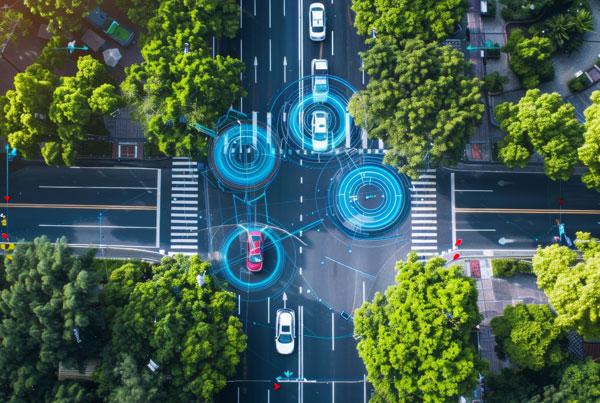
The magic behind dynamic pricing for parking lies in advanced technology. Real-time and historical data from sensors, cameras, and payment gateways feed into parking software powered by cloud-based algorithms to generate data. These systems analyze occupancy levels, demand patterns, available parking spaces, and other various factors like weather or local events.
For instance, airport parking dynamic pricing is a perfect example. During holidays or major travel peaks, occupancy data may trigger higher rates, while mid-week or overnight stays are priced more competitively to fill unused capacity.
A modern parking management system can forecast demand and automatically adjust rates, often without human intervention. It’s a smart, scalable way to ensure every parking space is generating optimal value.
Benefits of Dynamic Parking Pricing: Parking Operators Profit, Customer Satisfaction Rises and Cities Flow
For car parks operators, dynamic pricing offers a smarter, data-driven approach to managing parking facilities by adjusting rates based on historical data, real-time demand, parking spaces, local events/holidays, and time of day. This flexible model helps parking operators maximize revenue during peak hours while encouraging turnover and availability when off peak parking demand is low. For customers, it means better chances of finding open spaces and more equitable pricing that reflects actual demand. Cities also benefit through reduced congestion, fewer emissions from circling vehicles, and more efficient use of existing car parks assets, made possible through modern parking management software and real-time analytics.
Improved Revenue Performance
Car parks operators using dynamic pricing have proven to increase parking revenue by 10–30% in many pilot programs, and increase operational efficiency as well. By allowing rates to reflect demand, parking operators avoid underselling premium spots and overpricing underused ones. Integrated parking lot management software and a parking management app help operators monitor performance for their parking business in real time, adjusting policies, testing rate models, and tracking ROI with just a few clicks.
Customer Convenience & Satisfaction
From a driver’s perspective, dynamic parking pricing brings transparency and fairness. Real-time apps display current rates and availability, provide easy digital payments and help users find affordable, open spaces faster. Over time, customers learn to plan trips around price and availability, reducing frustration and wasted time. As connected cars and AI-powered navigation systems evolve, parking management will integrate seamlessly into trip planning, guiding drivers directly to open spots and suggesting the best time to park based on price.
Better Parking Utilization and Traffic Flow
When parking prices align with availability, fewer drivers circle blocks searching for open spots. This reduces congestion, fuel use, and emissions, all key goals for smart cities, sustainability and urban mobility programs. Dynamic pricing also helps cities optimize curb space and ensures turnover in high-demand zones.
Challenges and Considerations in Deploying Dynamic Pricing
Implementing a dynamic pricing system involves planning and pricing strategy. Car parks operators should consider such challenges as customer acceptance, integrating technologies used, and ensuring low-income drivers are included.
Customer Experience & Perception
One challenge with dynamic parking is perception. Some drivers may worry that fluctuating prices are unfair or unpredictable. Clear communication through signage, websites, and mobile apps helps maintain transparency. Educating users about how pricing works and why it benefits everyone, builds trust and customer satisfaction.
Technology Integration
A successful rollout requires multiple systems working in sync. Sensors, data platforms, payment gateways, analytics dashboards, and a robust parking management system must integrate smoothly. This is where advanced parking management software is essential. Choosing the right parking management system vendor ensures reliable data accuracy and automation.
Equity & Accessibility
Cities must also ensure that dynamic pricing policies remain equitable. Some pilot programs, like Philadelphia’s “Smart Parking Initiative,” tested tiered rate caps and off-peak discounts to ensure low-income drivers weren’t disproportionately affected. Transparent governance and accessible technology are key to maintaining public support.
Use Cases of Dynamic Parking Pricing in Action
Airports
Airports are ideal environments for dynamic parking pricing due to fluctuating and high-demand travel volumes. For instance, during major holidays, airports can adjust long-term rates to match demand, boosting occupancy and revenue without expanding infrastructure. Industry sources suggest that airports that use surge pricing can see revenue uplifts in the range of 15-35%, with some cases reporting up to 50% when factoring in operational cost savings.
Cities & Public Agencies
Municipal programs in cities like San Francisco, Los Angeles, and Seattle have successfully used dynamic pricing to reduce congestion, optimize curb management, and increase parking space usage turnover. Data from these initiatives shows that smarter pricing can reduce cruising time by 40% while increasing meter revenue by 20%.
Private Car Parks Operators
Shopping centers, hospitals, and universities also benefit from dynamic pricing. With parking lot software, operators can create demand-based models that balance customer convenience and profit. This ensures premium spaces remain available when needed most.
Building the Right Parking Tech Stack for Your Parking Business
Implementing parking dynamic pricing requires a powerful, connected ecosystem of tools. A strong car parks operations tech stack typically includes:
- Robust parking lot management software providing reservations, rate setting, and reporting capabilities
- Occupancy sensors to measure real-time usage
- Rate adjustment engines that automate pricing changes
- Analytics dashboards for monitoring revenue and performance
- Customer-facing parking management mobile apps for transparency and convenience
These innovative parking solutions empower car parks operators to analyze trends, adjust rates, and communicate updates to drivers instantly.
How to Get Started With Dynamic Parking Pricing
Parking dynamic pricing represents the next evolution in smart parking management. Advanced parking management software helps automate decisions, improve profitability, increase operational efficiency, and deliver a better customer experience.
With a robust parking management system and parking software, operators can harness data, automation, and analytics to create a fair, flexible, and future-ready parking experience.
Platforms like Space Genius make it easy to implement dynamic parking pricing strategies that increase revenue, improve efficiency, and elevate the customer experience.
The technology is here. The demand is real. And the benefits for operators, drivers, and cities are undeniable.
Parking Dynamic Pricing FAQs
What is parking dynamic pricing?
It’s a flexible pricing model that adjusts rates automatically based on historical and real-time demand, inventory, and occupancy.
How does parking dynamic pricing improve parking efficiency?
By balancing supply and demand, it reduces empty spaces and minimizes cruising for parking.
Is dynamic pricing fair to all drivers?
Yes, when implemented transparently. Many systems cap price fluctuations to keep rates equitable.
What software is used for dynamic parking pricing?
Comprehensive platforms like Space Genius combine price setting flexibility, reservation data, and partnership integrations to provide dynamic pricing capability.
Can dynamic pricing increase parking revenue?
Absolutely. Many car parks operators report 10–30% revenue gains after deploying dynamic pricing models.